
South Korea is a country that beautifully blends tradition and modernity. While cities like Seoul and Busan boast towering skyscrapers and vibrant nightlife, the true essence of Korea’s rich history and culture can be found in its traditional villages. Exploring the most beautiful cultural villages in Korea offers a unique window into the nation’s past, showcasing age-old architecture, customs, and ways of life that have been preserved with pride and care.
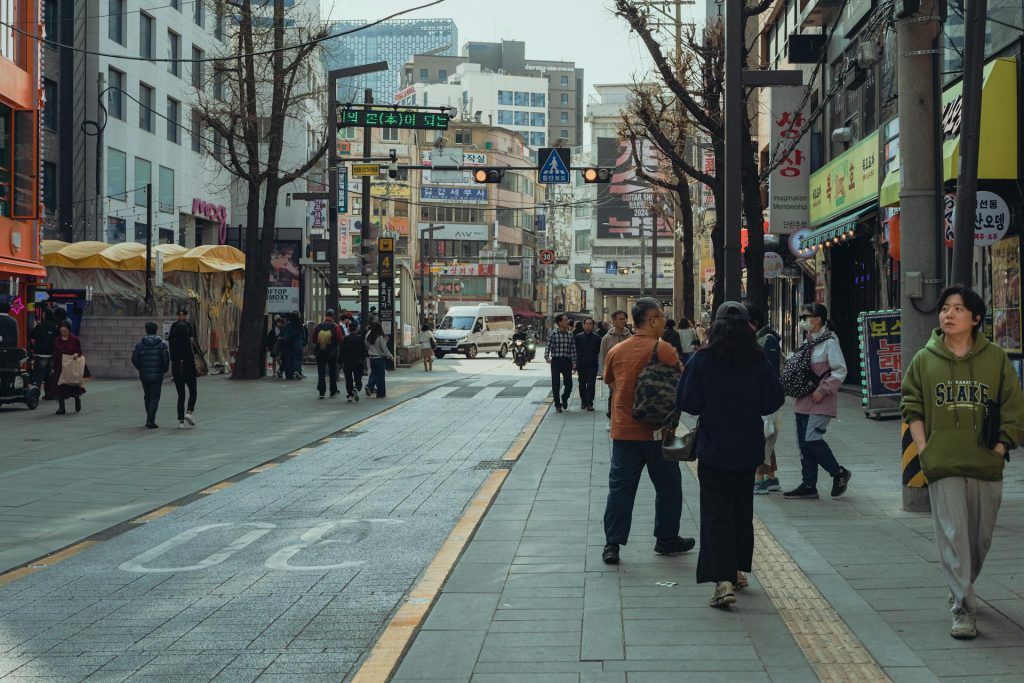
One of the most famous cultural villages is Bukchon Hanok Village in Seoul. Nestled between Gyeongbokgung Palace and Changdeokgung Palace, this charming neighborhood is home to hundreds of traditional Korean houses known as hanok. Walking through the narrow alleys of Bukchon feels like stepping back in time. Visitors can witness the elegant wooden architecture, curved rooftops, and beautiful courtyards that reflect Korean aesthetics from the Joseon Dynasty. Many of the houses now operate as guesthouses, tea houses, and cultural centers, offering hands-on experiences like calligraphy, traditional crafts, and Korean tea ceremonies.
Another gem is Hahoe Folk Village in Andong, a UNESCO World Heritage Site. This village is well-known for its preservation of Confucian traditions and architecture. The name “Hahoe” means “to turn around the river,” a reference to the Nakdong River that elegantly flows around the village. Hahoe is still inhabited by the descendants of the Ryu clan, and the layout of the village has remained largely unchanged for centuries. A visit to Hahoe is not complete without watching the Hahoe Mask Dance, a performance that humorously critiques the social structure of old Korea. This village offers a true immersion into Korea’s scholarly past.
For those venturing to the southern regions, Naganeupseong Folk Village in Suncheon is a must-visit. This walled village dates back to the Joseon period and has preserved both its fortress and traditional houses. What sets Naganeupseong apart is that villagers still live there, continuing their daily lives in much the same way as their ancestors did. The village is alive with traditional music, handicraft demonstrations, and seasonal festivals. Visitors can also try on traditional clothing, sample local food, and even sleep overnight in one of the restored hanok, making for an unforgettable experience.
Meanwhile, Jeonju Hanok Village is a vibrant cultural hub located in Jeonju, the birthplace of bibimbap, one of Korea’s most beloved dishes. With over 800 traditional houses, Jeonju Hanok Village is larger than Bukchon and offers a dynamic mix of old and new. While maintaining traditional charm, the village also embraces creativity with modern cafes, art galleries, and museums nestled within its historic streets. It’s the perfect destination for travelers who want to enjoy Korea’s heritage while also exploring contemporary culture.
Another village that deserves recognition is Yangdong Folk Village, also listed as a UNESCO World Heritage Site. Located near Gyeongju, a city known as “the museum without walls,” Yangdong is a well-preserved village surrounded by beautiful hills and rice paddies. It was established by noble families and reflects Korea’s Confucian-based society through its architecture and layout. The atmosphere here is serene and picturesque, offering a peaceful retreat from the bustling cities. With its blend of natural beauty and cultural richness, Yangdong provides an ideal setting for reflection and discovery.
Exploring the most beautiful cultural villages in Korea is not just about sightseeing — it’s about understanding the values, beliefs, and lifestyles that shaped Korean society. These villages allow travelers to connect deeply with Korea’s heritage, offering insights that go far beyond what any museum or city tour can provide.
From the elegant streets of Bukchon to the scholarly traditions of Hahoe, from the lively community in Naganeupseong to the creative spirit of Jeonju, and the peaceful landscapes of Yangdong — each village tells a unique story. They are living testaments to the resilience and pride of the Korean people in preserving their cultural identity.
Whether you are a history enthusiast, a cultural explorer, or simply someone seeking a meaningful travel experience, Korea’s cultural villages are destinations that will inspire, educate, and enchant. So pack your bags, open your heart to discovery, and let the journey through Korea’s cultural soul begin.